





Popular Now
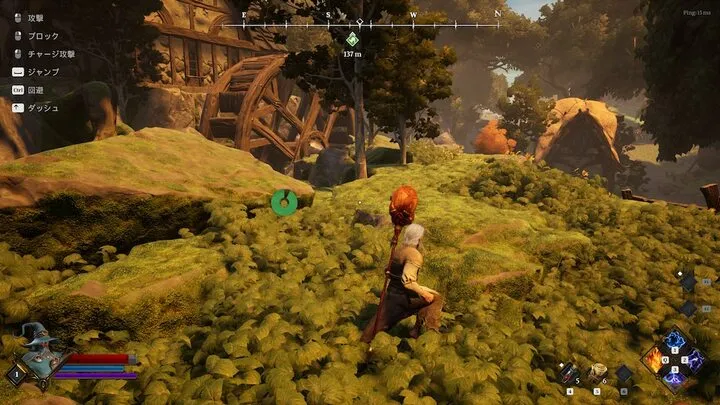
Valheim is a survival sandbox game that combines exploration, crafting, base building, and combat within a mythological Viking-inspired world. Set in a vast procedurally generated realm, the game challenges players to survive harsh environments, defeat powerful bosses, and prove themselves worthy of Odin’s favor.
This guide focuses on how to play Valheim effectively from the very beginning. Whether you are surviving your first nights in the Meadows or preparing for late-game biomes, this article explains the core systems, strategies, and decisions that lead to long-term success.
SECTION 1: How to Understand the Core Gameplay Loop
Valheim is built around a cycle of exploration, resource gathering, crafting, and progression through boss fights. You explore new biomes, collect materials, return to strengthen your base and gear, then venture further into more dangerous regions.
Progression is biome-driven rather than level-based. Each biome introduces new threats and resources, making preparation and timing essential instead of rushing ahead without proper equipment.

SECTION 2: How to Survive the Early Game
Early survival in Valheim revolves around food, shelter, and basic weapons. Crafting simple tools, building a small shelter, and cooking food provide crucial health and stamina boosts.
Learning to manage stamina is vital. Avoid unnecessary combat early on and focus on gathering materials and establishing a safe starting base before challenging stronger enemies.
SECTION 3: How to Explore the World Safely and Efficiently
Exploration introduces new biomes, enemies, and valuable materials, but each area carries unique dangers. Traveling unprepared often results in death and difficult corpse recovery.
Bring food, weapons, and repair tools before long journeys. Mark important locations on the map and explore gradually to avoid being overwhelmed by unfamiliar threats.
SECTION 4: How to Build a Functional and Organized Base
Base building in Valheim directly impacts crafting efficiency and survival. Workbenches, forges, storage, and farming areas should be placed logically to minimize wasted movement.
A well-organized base saves time and reduces frustration. As progression continues, expanding into fortified bases or multiple outposts becomes increasingly important.

SECTION 5: How to Manage Resources and Crafting Progression
Resources are biome-specific and progression-gated. Smelting ores, processing wood, and crafting upgraded gear form the backbone of advancement.
Efficient resource management prevents shortages. Focus on essential upgrades first instead of crafting every available item to conserve materials and time.
SECTION 6: How to Master Combat and Boss Fights
Combat in Valheim emphasizes preparation, positioning, and stamina control. Different enemies and biomes require specific weapons, armor, and resistances.
Boss fights mark major progression milestones. Preparing food buffs, upgraded gear, and a proper arena significantly improves your chances of success.
SECTION 7: How to Defend Your Base from Raids
As you progress, enemy raids begin targeting your base. Defensive structures such as walls, trenches, and raised terrain help protect key areas.
Layered defenses are most effective. Combining terrain manipulation, fortifications, and strategic layouts creates a stronghold capable of withstanding repeated attacks.
SECTION 8: How to Use Boats and Exploration Routes
Sailing unlocks access to distant biomes and rare resources. However, ocean travel introduces risks such as storms and sea serpents.
Plan voyages carefully, bring repair materials, and establish forward bases near key biomes. Efficient travel routes save time and reduce unnecessary danger.
SECTION 9: How to Progress into the Mid and Late Game
Mid- and late-game Valheim introduces harsher biomes, stronger enemies, and more complex crafting chains. Progression should be methodical, not rushed.
Creating multiple bases across biomes improves resource flow and reduces long-distance travel. Preparation becomes increasingly important as mistakes carry heavier penalties.

SECTION 10: How to Create Long-Term Progress and Replayability
Valheim offers strong replay value through procedural worlds and flexible playstyles. Different base designs, exploration paths, and progression orders keep each playthrough fresh.
Long-term success comes from adaptability. Adjust strategies based on biome challenges, gear availability, and personal play preferences rather than following a fixed formula.
CONCLUSION
Valheim rewards patience, preparation, and thoughtful progression. By mastering survival fundamentals, building efficient bases, and exploring the world strategically, players can transform a dangerous Viking realm into a powerful network of settlements worthy of legend.