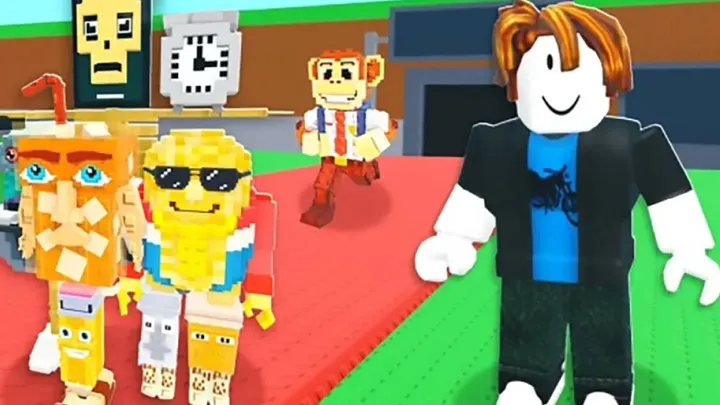

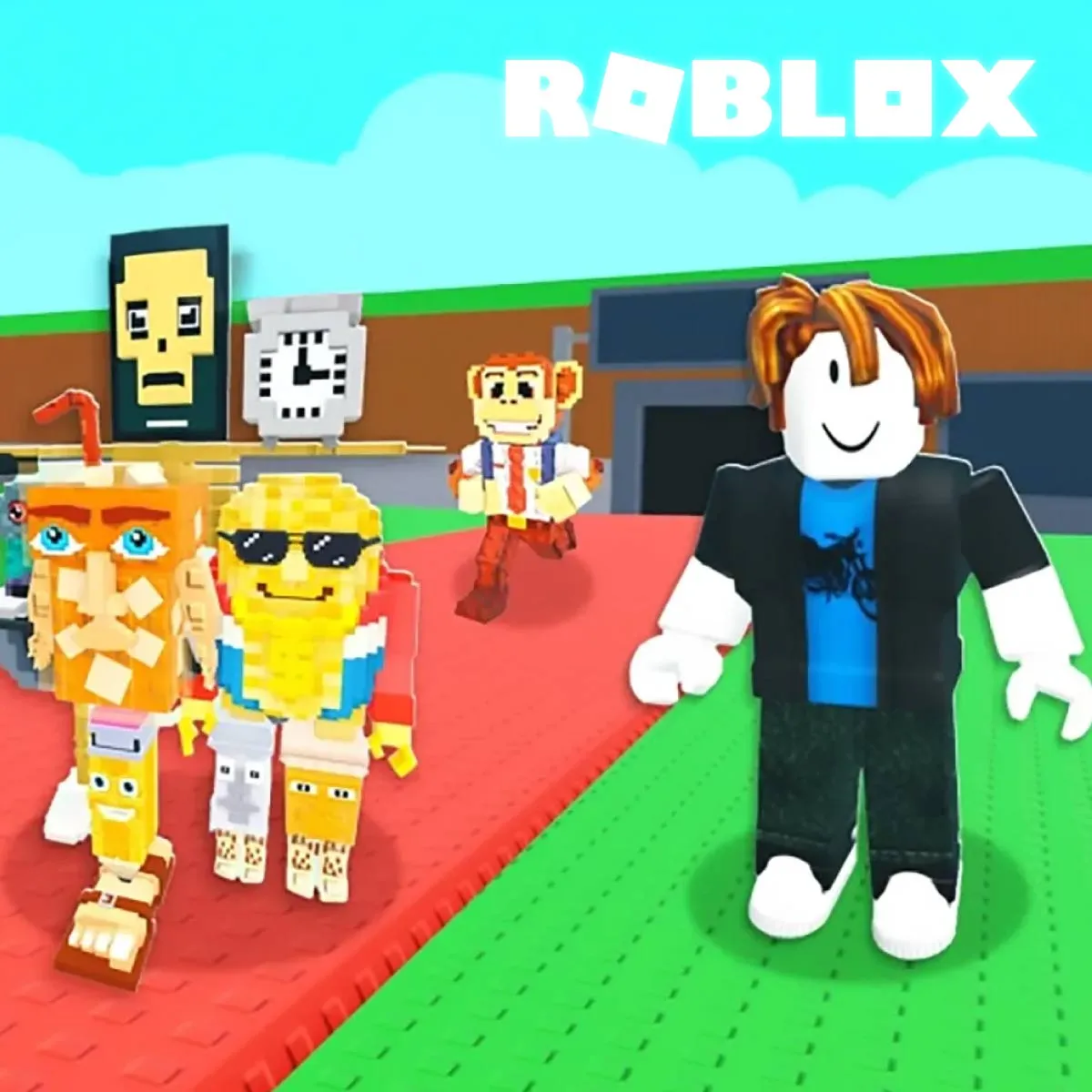
Within the massive ecosystem of Roblox, trends emerge and collapse at an extraordinary pace. Some experiences fade within weeks; others crystallize into viral micro-genres that define a season of player behavior. Steal a Brainrot belongs to the latter category. It is not simply a chaotic meme-driven game mode—it represents the evolution of social sabotage economies inside user-generated sandbox platforms.
This article explores the structural evolution of Steal a Brainrot as a phenomenon: how it emerged from meme culture, how its mechanics intensified player competition, how its economy destabilizes trust, and how it reflects broader shifts in Roblox’s design language. Rather than explaining how to play, this piece examines how the system developed over time and what it reveals about modern multiplayer psychology.
1. Meme Foundations: The Birth of “Brainrot” Culture
Before the experience itself gained traction, the term “brainrot” was already circulating across internet communities. It described obsessive engagement with repetitive memes, absurd audio loops, and chaotic humor.
Roblox developers absorbed this culture rapidly. Short-form meme aesthetics—distorted music, exaggerated animations, unpredictable sound effects—became foundational design elements.
Cultural Building Blocks
- Rapid meme turnover
- Absurdist humor loops
- Audio distortion trends
- Hyperactive visual feedback
From Joke to System
What began as a parody concept evolved into a structured multiplayer economy centered on possession and theft.
2. Early Prototype Phase: Simple Theft Loops
The earliest versions of Steal a Brainrot revolved around a single mechanic: players owned a “brainrot” asset that others could attempt to steal.
There were no layered progression systems at first. The loop was immediate and brutal—acquire, protect, lose, repeat.
Core Early Mechanics
- Single collectible unit
- Direct player-to-player stealing
- Minimal safe zones
- Instant loss consequences
Instant Emotional Stakes
Because loss was immediate and visible, emotional volatility became central to the experience.
3. Expansion into Multi-Layered Brainrot Variants
As popularity increased, developers expanded beyond a single asset type. Brainrots diversified into tiers, visual styles, and rarity systems.
This shift introduced long-term retention mechanics. Players were no longer chasing possession alone—they were chasing status.
Variant Evolution
- Tiered rarity categories
- Visual mutation effects
- Audio-based differentiation
- Value scaling systems
Scarcity and Desire
Artificial scarcity amplified competition and intensified theft frequency.
4. Safe Zones and Temporary Immunity Systems
With increasing player frustration, developers introduced controlled safe zones. These areas allowed temporary immunity from theft.
This structural change altered pacing. Instead of nonstop vulnerability, players could pause, strategize, and re-enter chaos.
Structural Adjustments
- Spawn protection timers
- Limited sanctuary spaces
- Cooldown-based safety
- Conditional shield mechanics
Rhythm of Tension
The cycle shifted from constant stress to waves of vulnerability and protection.
5. Social Alliances and Betrayal Mechanics
As servers grew, informal alliances emerged. Players formed temporary truces to protect high-value brainrots.
However, the system never formally supported long-term alliances. Betrayal remained easy and often incentivized.
Emergent Social Structures
- Temporary protection pacts
- Coordinated theft attempts
- False cooperation strategies
- Opportunistic backstabbing
Trust as Currency
The absence of enforced loyalty made social negotiation a core mechanic.
6. Monetization Integration and Cosmetic Escalation
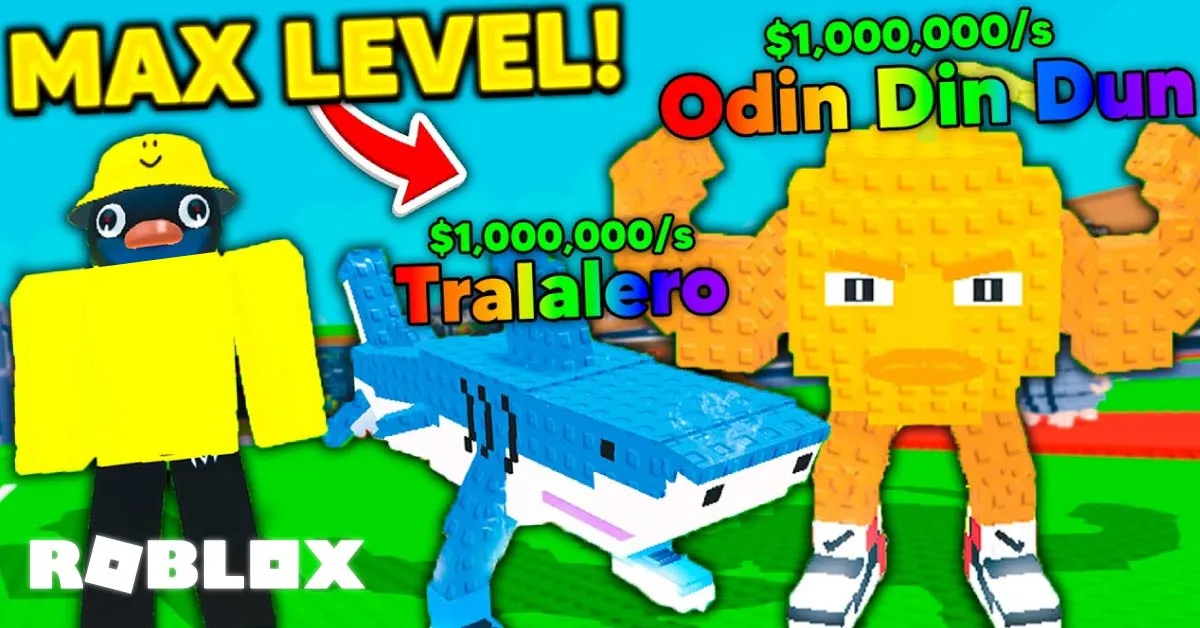
With sustained traffic, monetization layers expanded. Cosmetic upgrades, custom trails, and visual effects surrounded brainrot assets.
These additions did not change the theft mechanic but altered perception. Highly customized players became high-profile targets.
Monetized Additions
- Cosmetic glow effects
- Unique carry animations
- Visual status markers
- Premium protection boosts
Visibility Equals Vulnerability
The more visually impressive the asset, the more attention—and risk—it attracted.
7. Map Scaling and Environmental Complexity
Originally compact arenas expanded into multi-level maps. Verticality, obstacles, and teleport points were introduced.
Environmental complexity reshaped chase dynamics. Escape routes multiplied, and ambush potential increased.
Map Development Traits
- Multi-floor arenas
- Hidden shortcuts
- Environmental hazards
- Trap-based choke points
Spatial Strategy Emergence
The map itself became a tactical instrument rather than a neutral stage.
8. Competitive Server Culture and High-Intensity Lobbies
As concurrency numbers grew, competitive subcultures formed. Some servers developed reputations for high-level coordination and aggressive play.
In these environments, theft cycles accelerated dramatically. High-value brainrots changed hands repeatedly within minutes.
Competitive Characteristics
- Rapid steal chains
- Focus targeting of top players
- Reputation-based hunting
- Psychological intimidation tactics
Escalating Instability
Possession became increasingly temporary, intensifying adrenaline-driven engagement.
9. Content Creator Amplification and Viral Momentum
Streaming platforms amplified chaotic moments—sudden betrayals, last-second steals, unexpected comebacks.
These viral clips attracted new players who expected constant spectacle. This expectation influenced design updates, increasing visual exaggeration.
Viral Growth Drivers
- Short-form video highlights
- Reaction-based gameplay
- High-volume audio cues
- Meme sound layering
Performance-Oriented Design
Gameplay began to prioritize watchability alongside playability.
10. Long-Term Sustainability and Meme Fatigue Risk
Like all meme-driven experiences, Steal a Brainrot faces saturation risk. Meme humor has a short lifecycle.
To remain sustainable, developers increasingly balance absurdity with structured progression systems.
Sustainability Factors
- Progressive rarity expansion
- Rotating event updates
- Seasonal cosmetic refreshes
- Controlled economic resets
Between Chaos and Structure
The game’s survival depends on maintaining volatility without collapsing into repetitive noise.
Conclusion
Steal a Brainrot represents a distinctive phase in Roblox’s evolution: a meme-born concept transformed into a competitive theft economy. What began as chaotic humor matured into a layered system involving rarity tiers, social betrayal, monetization visibility, environmental complexity, and competitive server hierarchies. Its design thrives on instability—ownership is temporary, alliances are fragile, and visibility increases vulnerability. By merging absurdist culture with structured economic tension, the experience demonstrates how modern user-generated platforms can convert fleeting internet jokes into fully operational multiplayer ecosystems. Whether it sustains longevity or fades with meme fatigue, Steal a Brainrot stands as a case study in how chaos, when systematized, becomes compelling.