.webp)






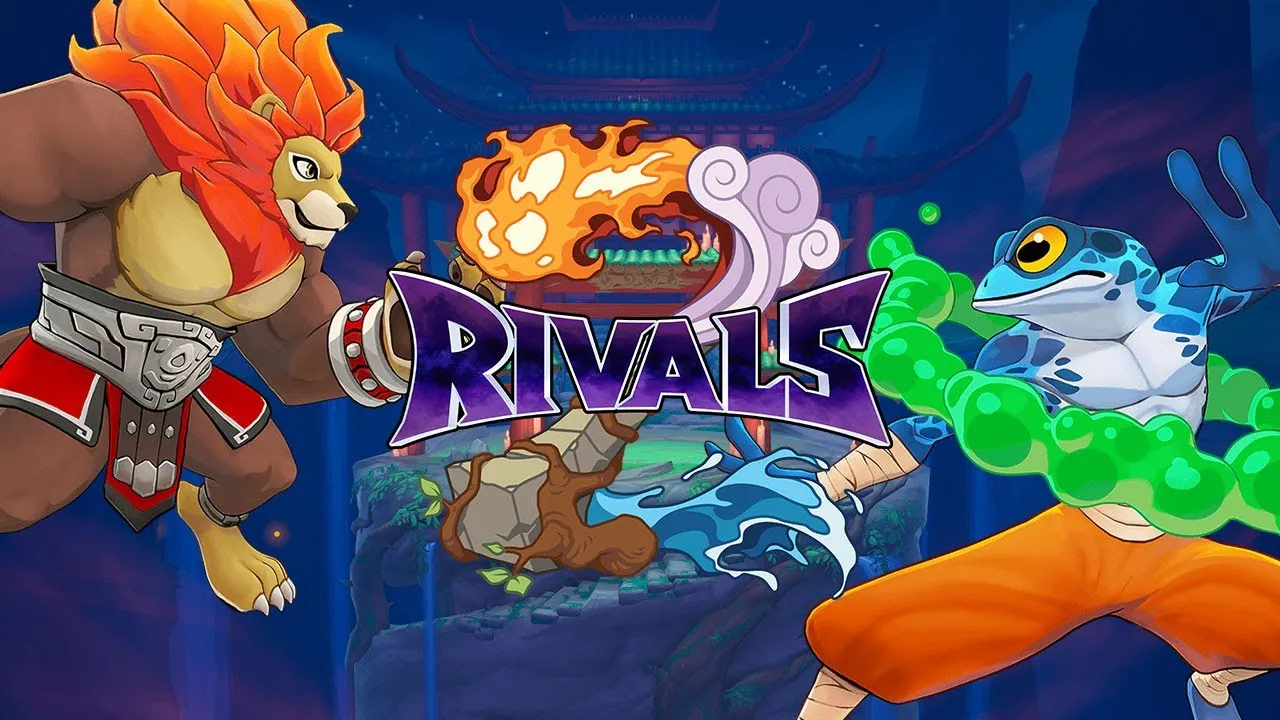
In Rivals 2, many players focus heavily on combos and neutral game, but one of the most important high-level mechanics is often overlooked: edge guarding. At competitive levels, matches are frequently decided not by damage percentages alone, but by who can consistently control off-stage situations and deny recoveries.
A major “Tips & Guides” issue players struggle with is this: how to edge guard effectively without overcommitting, losing stage control, or getting reversed by opponents. Many players either play too safely and allow free recoveries, or they become overly aggressive and self-destruct trying to secure stocks.
This guide explores in depth how to master edge guarding step by step, including recovery analysis, positioning, timing, movement control, ledge trapping, and psychological pressure. Instead of random off-stage attacks, you will learn how to convert edge situations into consistent advantages.
Understanding Why Edge Guarding Is More Important Than Combos
Many players believe combos are the key to victory.
However, combos only build damage—edge guarding ends stocks.
The difference between damage and stock control
Combos
Increase percentage.
Edge guards
Secure eliminations.
Why edge guarding changes matches
• Ends stocks earlier
• Reduces comeback opportunities
• Forces defensive pressure
Key insight
The best players do not just win interactions—they finish them.
Step One: Learning Recovery Patterns Before Attempting Edge Guards
You cannot edge guard properly without understanding recovery systems.
Every character has predictable recovery habits.
Recovery factors
Distance
How far can the opponent recover?
Speed
How quickly can they return?
Recovery angles
Can they mix up movement paths?
What to study
• Double jump timing
• Special recovery moves
• Air dodge habits
Key rule
Edge guarding begins with information, not aggression.
Step Two: Maintaining Stage Control While Pressuring Off-Stage
A common beginner mistake is abandoning stage control recklessly.
Why stage control matters
The player on stage has:
• Better positioning
• Safer options
• More reaction time
Smart pressure principles
Threaten from safety
Pressure recoveries without overcommitting.
Force predictable movement
Limit opponent options.
Common mistake
Jumping too deep off-stage too early.
Good edge guarding balances risk and reward.
Step Three: Using Positioning to Limit Recovery Angles
Positioning is more important than random attacks.
Strong edge guard positions
Ledge-level positioning
Covers standard recoveries.
Slightly above ledge
Threatens jumps and air dodges.
Positional goals
• Block recovery routes
• Force panic options
• Control space
Key principle
Good positioning creates pressure before attacks even happen.
Step Four: Timing Your Edge Guard Attacks Correctly
Timing separates successful edge guards from failed attempts.
Timing mistakes players make
• Attacking too early
• Swinging repeatedly without purpose
• Panicking under pressure
Effective timing strategy
Wait for commitment
Attack after opponent uses recovery resources.
React instead of guessing
Punish visible decisions.
Important insight
Patience often creates stronger edge guards than aggression.
Step Five: Understanding Character-Specific Edge Guarding Tools
Every character has different edge guarding strengths.
Common tool categories
Long-range attacks
Control space safely.
Fast aerials
Pressure quick recoveries.
Spike moves
Secure early eliminations.
Character adaptation
Some characters excel at:
• Deep off-stage pressure
• Ledge trapping
• Air interception
Key takeaway
Your edge guard strategy must match your character’s strengths.
Step Six: Forcing Defensive Habits Through Repeated Pressure
Edge guarding is psychological as well as mechanical.
How pressure affects opponents
Under repeated pressure, players begin to:
• Recover predictably
• Panic air dodge
• Rush back to stage
Conditioning strategies
Repeat safe pressure
Force defensive expectations.
Change timing later
Punish conditioned habits.
Example sequence
- Pressure low recovery repeatedly
- Opponent jumps early next time
- Punish jump route
Mental control creates openings.
Step Seven: Turning Edge Guards Into Ledge Traps
Not every edge guard requires going off-stage.
Sometimes ledge trapping is stronger.
What is ledge trapping?
Controlling the opponent’s options after they grab the ledge.
Common ledge options
• Neutral get-up
• Roll
• Jump
• Attack
Ledge trap strategy
• Cover multiple options safely
• React to habits
• Maintain center stage
Key insight
Ledge trapping creates consistent pressure with lower risk.
Step Eight: Avoiding Overcommitment and Reversals
One of the biggest edge guarding dangers is reversal.
Common reversal situations
• Opponent attacks during recovery
• You lose jump resources
• Poor spacing near blast zones
How to stay safe
Track your resources
Know your jumps and recovery.
Respect opponent hitboxes
Don’t attack carelessly.
Defensive discipline
Sometimes maintaining advantage is better than forcing a stock.
Step Nine: Practicing Edge Guarding Efficiently
Improvement requires structured training.
Training methods
Match replay review
Analyze missed edge guards.
Character-specific drills
Practice against common recoveries.
Focus areas
• Timing
• Positioning
• Resource tracking
Practice checklist
• Did you control space effectively?
• Did you overcommit?
• Did you react or guess?
Consistent practice develops confidence.
Step Ten: Building a Complete Off-Stage Control System
True mastery comes from combining all elements together.
Complete edge guard flow
- Gain stage advantage
- Force opponent off-stage
- Track recovery options
- Pressure safely
- Convert into stock or ledge trap
Advanced mindset
• Stay calm under pressure
• Control space methodically
• Adapt continuously
Final principle
Edge guarding is about limiting options, not chasing kills recklessly.
Conclusion
Mastering edge guarding in Rivals 2 is one of the most effective ways to gain a consistent competitive advantage. While combos build damage, edge guarding secures stocks and controls the pace of the match. By understanding recovery patterns, maintaining stage control, positioning intelligently, timing attacks properly, adapting to character strengths, conditioning opponents, utilizing ledge traps, avoiding overcommitment, and practicing systematically, players can transform off-stage situations into reliable win conditions. Over time, edge guarding becomes less about risky aggression and more about strategic control, allowing you to dominate matches with confidence and precision.