Neverness to Everness – The Psychological Architecture of the City and the Fear of Urban Distortion
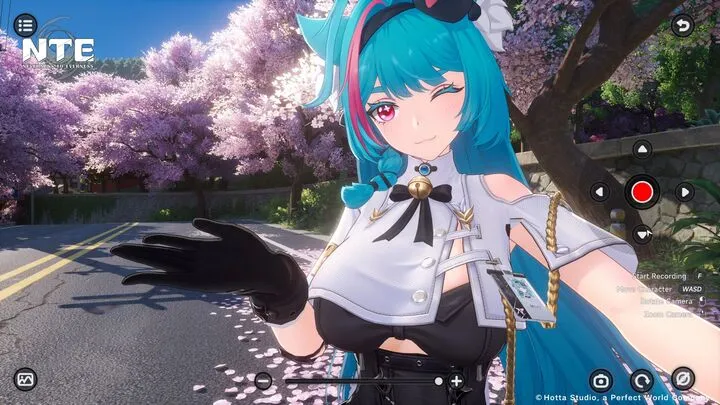
In Neverness to Everness, the city is far more than a backdrop for exploration or combat. It functions as a living psychological structure—an unstable environment where reality bends, memory fractures, and ordinary urban life slowly becomes distorted by supernatural interference. While many players focus on traversal systems or anomaly mechanics, one of the game’s deepest themes lies beneath those systems: the transformation of the modern city into a space of existential uncertainty.
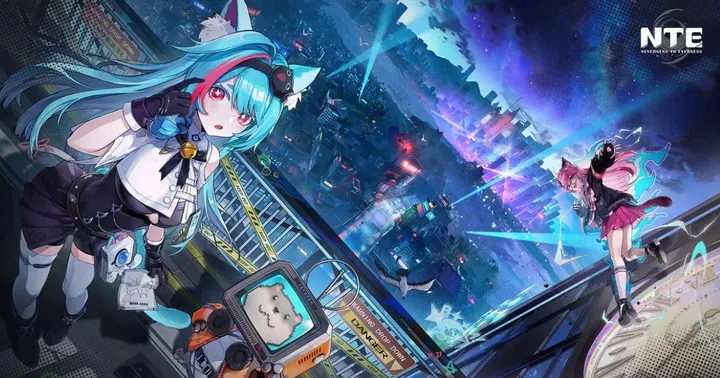
This article explores a specific topic within NTE: the psychological architecture of urban distortion. Rather than analyzing gameplay systems or offering guides, we examine how the game uses city design, environmental instability, spatial inconsistency, and social fragmentation to create a unique form of psychological tension. Across ten thematic stages, we trace how the city evolves from familiar metropolitan structure into a fractured reality where perception itself becomes unreliable.
The Familiar City: Establishing Urban Normalcy
A Modern Urban Foundation
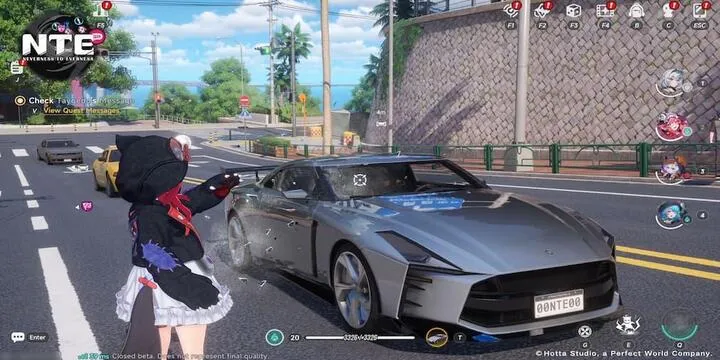
At the beginning of Neverness to Everness, the city feels recognizable. Neon advertisements glow above crowded intersections, apartment buildings rise tightly against narrow streets, and public transportation systems continue functioning despite hints of instability.
This familiarity is essential because it creates a psychological baseline. The city initially feels safe precisely because it resembles real metropolitan environments.
The Importance of Routine
NPC behavior reinforces this normalcy:
- Commuters follow schedules
- Shops operate predictably
- Traffic flows naturally
These repetitive systems establish a sense of urban order before distortion begins to emerge.
The First Distortions: Small Fractures in Reality
Subtle Environmental Irregularities
The earliest supernatural events are intentionally minor. Players notice:
- Flickering streetlights
- Unnatural audio echoes
- Objects appearing slightly displaced
These changes are subtle enough to create uncertainty rather than immediate fear.
Psychological Impact of Minor Distortion
Small inconsistencies are often more unsettling than obvious horror because they undermine trust gradually.
The player begins asking:
- Was that always there?
- Did the environment change?
- Is the city malfunctioning?
This uncertainty becomes central to the game’s atmosphere.
Verticality and Isolation in Urban Space
Rooftops as Psychological Separation
The city’s vertical design creates emotional distance between spaces. Rooftops feel detached from the crowded streets below, transforming traversal into a form of isolation.
At higher elevations:
- Noise decreases
- Human presence fades
- Environmental distortion intensifies
Height as Emotional Symbolism
Vertical movement reflects psychological movement:
- Streets represent social structure
- Rooftops represent detachment
- Hidden upper zones represent unreality
The city becomes emotionally stratified through architecture.
The Breakdown of Spatial Consistency
Impossible Urban Geometry
As anomalies spread, the city begins violating its own spatial logic.
Examples include:
- Hallways leading to impossible locations
- Buildings appearing larger internally than externally
- Streets looping unnaturally
The Fear of Unstable Space
Humans rely on spatial consistency for psychological security. When architecture becomes unreliable, players lose their sense of orientation.
This creates a unique tension:
the fear is not of monsters, but of space itself becoming untrustworthy.
NPC Behavior and Social Fragmentation
Changes in Human Interaction
As distortion spreads, NPC routines begin breaking down.
Indicators include:
- Repeated conversations
- Delayed reactions
- Groups behaving synchronously
These behaviors make the city feel socially unstable.
The Loss of Individual Identity
NPCs gradually appear less like independent people and more like fragments of a malfunctioning system.
This shift creates emotional unease because familiar human behavior becomes artificial.
Temporal Distortion and the Collapse of Routine
Time Losing Structure
One of the most disturbing aspects of NTE is the instability of time within urban environments.
Signs include:
- Sudden transitions between day and night
- NPC schedules failing to reset correctly
- Events repeating without explanation
Urban Life Depends on Predictable Time
Modern cities function through synchronization:
- Work schedules
- Transportation timing
- Commercial operations
When time becomes unstable, the city itself begins collapsing psychologically.
Commercial Spaces as Symbols of Artificial Reality
Neon Consumerism and Emotional Emptiness
Commercial districts in NTE are visually overwhelming, filled with advertisements, holograms, and artificial lighting.
Yet these spaces feel emotionally empty.
Hyperreality and Detachment
The game reflects themes of hyperreality:
- Simulated experiences replacing authenticity
- Visual excess masking instability
- Consumer environments becoming surreal
The city appears alive while simultaneously feeling hollow.
The Expansion of Anomaly Zones
Distortion Becoming Infrastructure
Initially, anomalies feel isolated. Later, they begin integrating into the city’s structure itself.
Entire districts become defined by distortion.
The Normalization of the Unreal
As anomalies spread:
- Citizens adapt to impossible events
- Environmental instability becomes routine
- The boundary between normal and abnormal disappears
This normalization is psychologically disturbing because reality itself loses definition.
Urban Loneliness and Emotional Alienation
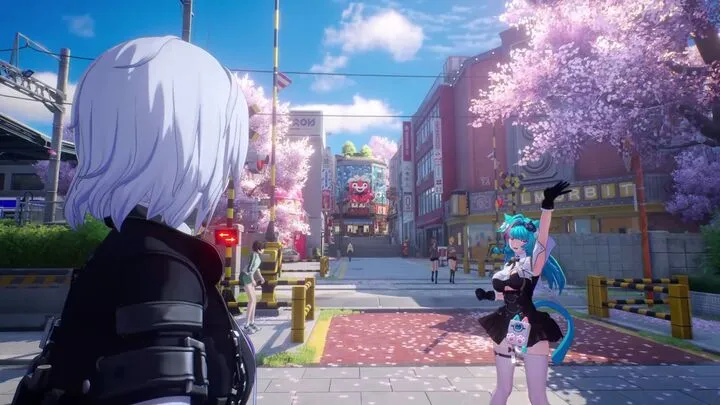
Crowds Without Connection
Despite dense populations, the city often feels emotionally empty.
Players encounter:
- NPCs ignoring each other
- Silent public spaces
- Isolated conversations lost in noise
Isolation Within Density
The game captures a modern urban fear:
being surrounded by people while remaining emotionally disconnected.
The city becomes both crowded and lonely simultaneously.
The Final Transformation of the City
From Metropolis to Psychological Landscape
By the later stages, the city no longer functions as a realistic urban environment. It transforms into a psychological projection shaped by distortion and instability.
Architecture becomes symbolic rather than practical.
The Collapse of Objective Reality
At this stage:
- Space changes unpredictably
- Time loses continuity
- Human behavior becomes fragmented
The city evolves into a manifestation of uncertainty itself.
Conclusion
Neverness to Everness uses urban design not simply as environmental decoration, but as a psychological narrative system. Through gradual distortion of space, time, architecture, and social behavior, the game transforms a familiar city into an unstable emotional landscape where perception becomes unreliable.
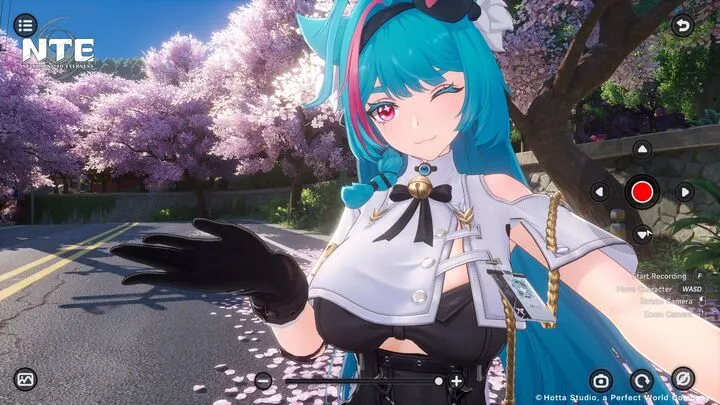
Rather than relying on traditional horror, NTE creates tension through environmental uncertainty. The fear comes from watching ordinary systems slowly lose coherence: routines fail, geometry collapses, and reality itself becomes negotiable. By grounding these distortions within recognizable urban structures, the game achieves a uniquely modern form of psychological unease.
Ultimately, the city in Neverness to Everness is not merely a setting—it is the central character of the experience. Its transformation mirrors the player’s growing uncertainty, turning exploration into a confrontation with instability, alienation, and the fragile nature of perceived reality.